
Best Time for a Panama Canal Cruise
By Andrew Hooker · September 12, 2026
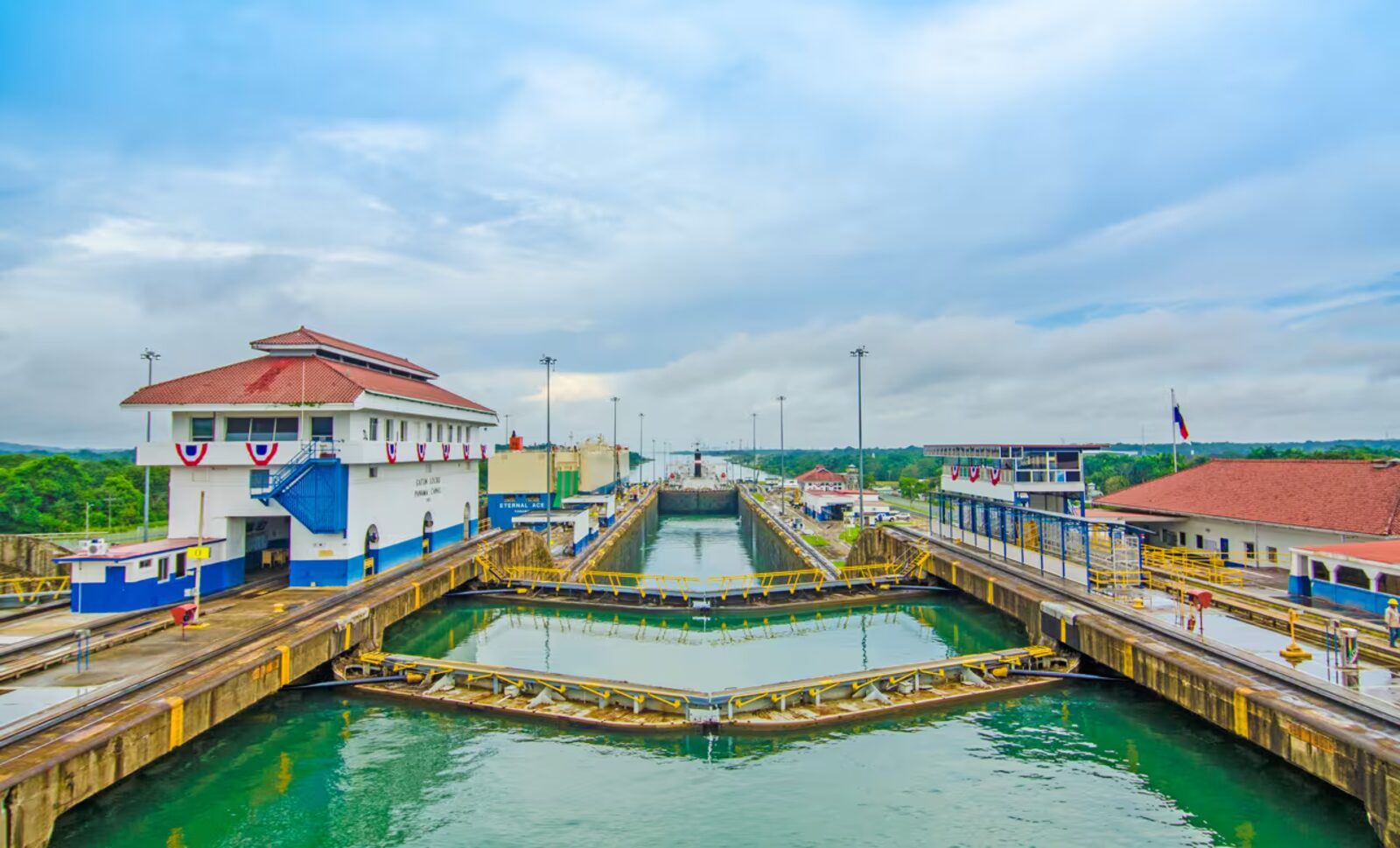
The Panama Canal doesn't have a true off-season the way a ski resort or a beach destination does - the locks run 24 hours a day, 365 days a year, and the temperature barely moves throughout the year since you're near the equator. What actually changes season to season is rain, humidity, crowds, and price - and for a Panama Canal cruise in particular, weather matters more than it does on a typical beach itinerary, because so much of the experience happens out on deck watching the locks work.
The Two Seasons: Dry (December-April) vs. Wet (May-November)
Panama runs on a simple two-season calendar:
- Dry season - December through April: The most reliable weather of the year. Expect sunny days, low humidity for the tropics, and daytime highs in the mid-70s to mid-80s Fahrenheit. This is peak season for a reason.
- Wet season - May through November: Warm and considerably more humid, with afternoon downpours that tend to arrive in short, heavy bursts rather than all-day rain. Mornings are often clear even in the height of the wet season. Prices drop, and so do the crowds.
- Shoulder months - November and May: A middle ground between the two - decent odds of good weather with some of the savings of the wet season, though it's less predictable than peak dry season.
Why Weather Matters More on a Canal Transit
On most Caribbean or Mexican Riviera cruises, a rainy afternoon just means more time at the pool bar. A Panama Canal transit is different: the entire point of the day is standing at the rail watching your ship rise and fall through the Gatun, Pedro Miguel, and Miraflores locks, and a downpour genuinely disrupts that in a way it wouldn't on a typical port day. Dry season doesn't just mean a better tan - it means a much better chance of actually seeing the transit clearly, getting good photos, and being comfortable on deck for the several hours it takes to move through the locks.
Crowds and Pricing by Season
Dry season (December-April) is peak demand for Panama Canal itineraries, which means higher fares, fuller ships, and cabins booking up further in advance - it's worth locking in a sailing early if you want a specific ship or cabin category during these months. Wet season sailings (particularly June through September) tend to be noticeably cheaper and less crowded, which can be a good trade if your schedule is flexible and you're comfortable with the higher chance of an afternoon shower. The shoulder months of November and May often give you the best of both - meaningfully lower prices than peak dry season, without the heaviest rain risk of mid-summer.
Full Transit vs. Partial Transit: Timing Works Differently
As covered in our guide to choosing a Panama Canal cruise line, itineraries come in two shapes, and that shape affects when they're actually offered:
- Partial transit round-trip cruises from a Caribbean port like Fort Lauderdale run more consistently throughout the dry and wet seasons alike, since the ship's home port doesn't change.
- Full transit ocean-to-ocean sailings are frequently repositioning cruises - the ship is relocating between a Caribbean/Florida deployment and a West Coast or Alaska deployment for the season - so they tend to cluster in spring (roughly April-May) and fall (roughly September-November) as cruise lines shift ships between hemispheres. If a full transit is what you're after, the sailing dates are often narrower and worth booking early once you find one that fits.
So, When Should You Go?
- Want the most reliable weather and best odds of a clear, comfortable transit day? December through April.
- Want to save money and don't mind an afternoon shower? June through September, when wet-season pricing is at its lowest.
- Want a balance of decent weather and better pricing? November or May.
- Set on a full, ocean-to-ocean transit? Watch for repositioning sailings in spring and fall, and book as soon as you find one that matches your dates.
Frequently Asked Questions
What is the best month to cruise the Panama Canal?
Any month from December through April offers the most reliable weather, with January through March typically driest.
Is the Panama Canal hot year-round?
Yes - daytime temperatures stay fairly consistent throughout the year, generally in the mid-70s to mid-80s Fahrenheit. The bigger seasonal swing is humidity and rainfall, not temperature.
Does rain ruin a Panama Canal transit?
Not necessarily - wet-season rain tends to arrive in afternoon bursts rather than lasting all day, and mornings are often clear. But dry season gives you meaningfully better odds of clear skies for the transit itself.
When are full transit (ocean-to-ocean) Panama Canal cruises available?
They're often repositioning cruises, so they tend to be offered in spring and fall as ships relocate for the season, rather than spread evenly throughout the year like partial-transit round trips.
Trying to figure out which season - and which itinerary - actually fits your trip? Get in touch and we'll help you time it right.
Join Our Free Travel Community
Get insider deal alerts, destination tips, and connect with fellow travelers in our Facebook group, hosted by Andrew.
Join the Group