
The Different Styles of Cruising, Explained
By Andrew Hooker · September 08, 2026
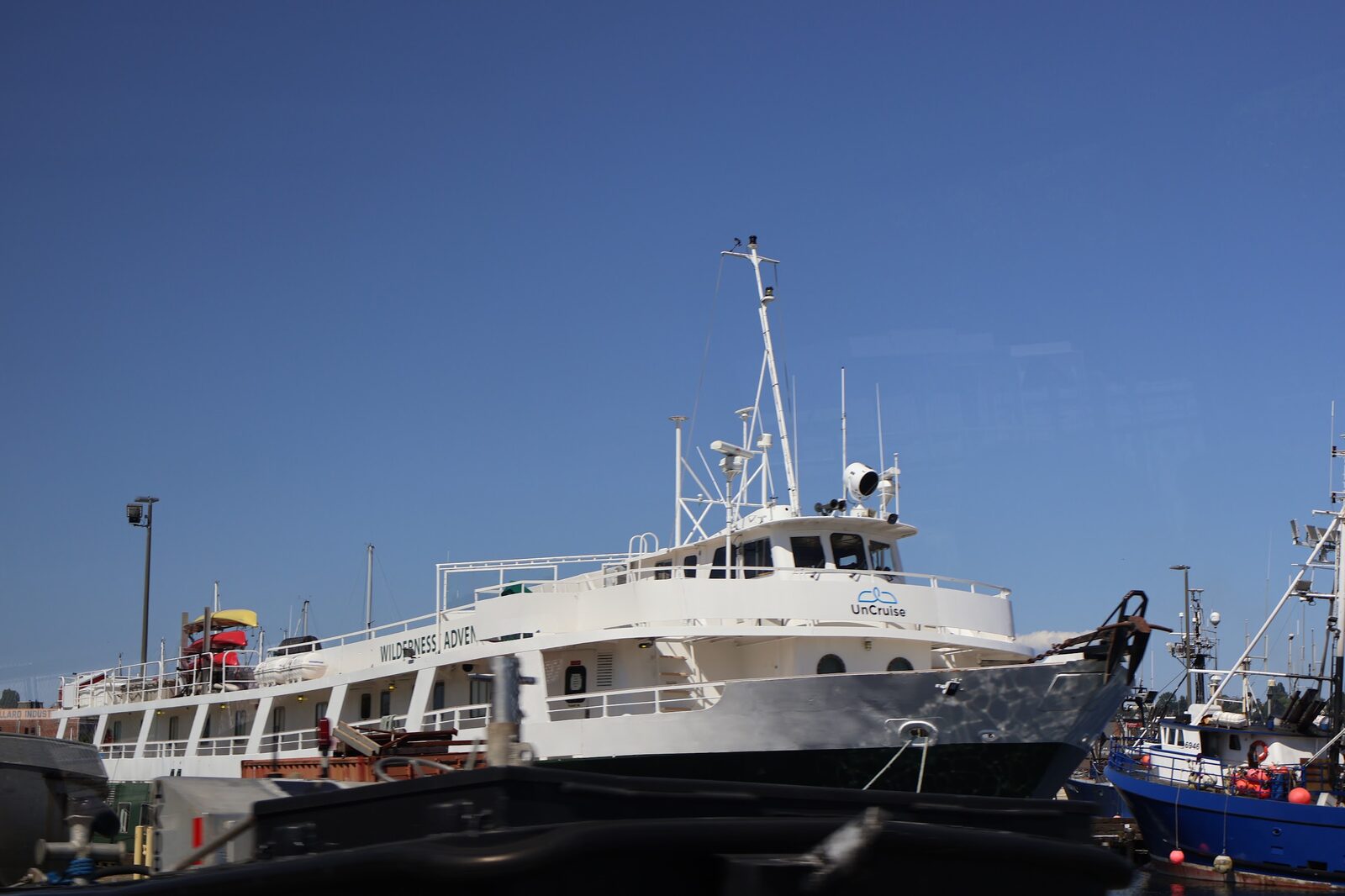
"Do you want to go on a cruise?" is really three or four different questions wearing the same word. A 4,000-passenger ship with a water park is a cruise. So is a 150-passenger yacht with no scheduled activities at all, and so is a riverboat that ties up in a different European town every morning. Picking the right style matters more than picking the right cruise line - here's how the main categories actually differ.
Mainstream Ocean Cruising
This is what most people picture: large ships (2,000-6,000+ passengers), a packed daily schedule of activities, multiple dining venues, and itineraries covering the Caribbean, Alaska, Europe, and beyond. Lines like Princess and Norwegian fall here. It's the most affordable per-day way to cruise, the most kid- and family-friendly, and the easiest to get a feel for before committing to a longer or pricier trip.
Small-Ship and Ultra-Luxury Ocean Cruising
Same oceans, very different experience. Ships carry a few hundred passengers instead of thousands, most or all suites have a private balcony, and pricing is typically all-inclusive of drinks, gratuities, and sometimes excursions. Lines like Silversea, Seabourn, and Azamara specialize here. Expect a quieter, more personalized trip - fewer lines, more staff per guest - at a meaningfully higher price point than mainstream cruising.
River Cruising
A different shape of trip entirely: smaller riverboats (usually under 200 passengers) that dock in the center of a new town most mornings, rather than spending days at sea between ports. AmaWaterways is a good example - popular itineraries run through Europe's rivers, as well as Egypt and Southeast Asia. There's no pool deck or rock wall; the draw is waking up somewhere new every day with minimal transit time lost getting there.
Small-Ship Coastal and Expedition Cruising
Windstar's sailing yachts and small ships, and lines like Victory Cruise Lines, fit here - a few hundred passengers or fewer, itineraries that reach smaller ports the big ships can't dock at, and a more casual, low-key atmosphere. Expedition ships take this further, built for places like the Galapagos or polar regions where the destination itself, not the ship, is the main event.
Which Style Is Right for You?
- First time cruising, or traveling with kids? Mainstream ocean cruising - lowest cost of entry, most activities on board.
- Want a quiet, all-inclusive trip with fewer crowds? Small-ship or ultra-luxury ocean cruising.
- More interested in the destinations than the ship itself? River cruising or expedition cruising.
- Want to reach smaller ports the big ships skip? Small-ship coastal cruising.
Frequently Asked Questions
What's the difference between ocean and river cruising?
Ocean cruises sail between ports, often with a day or more at sea in between; river cruises dock in a new town almost every morning, with little to no time spent just at sea.
Is small-ship cruising more expensive than mainstream cruising?
Usually, yes, per day - but it's often more inclusive (drinks, gratuities, sometimes excursions), so the gap in total cost can be smaller than the sticker price suggests.
What's the best cruise style for a first-time cruiser?
Mainstream ocean cruising is the easiest on-ramp - lower cost, more activities, and itineraries built around resort-style relaxation rather than a specific niche.
Do I need a travel agent to figure out which style is right for me?
Not strictly, but cross-shopping mainstream, luxury, river, and expedition lines against the actual price and inclusions for a specific sailing is exactly the kind of comparison a travel agent already does for every itinerary they quote.
Not sure which style fits the trip you have in mind? Get in touch and we'll match you to the right ship.
Join Our Free Travel Community
Get insider deal alerts, destination tips, and connect with fellow travelers in our Facebook group, hosted by Andrew.
Join the Group