
What Happens When Something Goes Wrong on a Cruise?
By Andrew Hooker · September 15, 2026
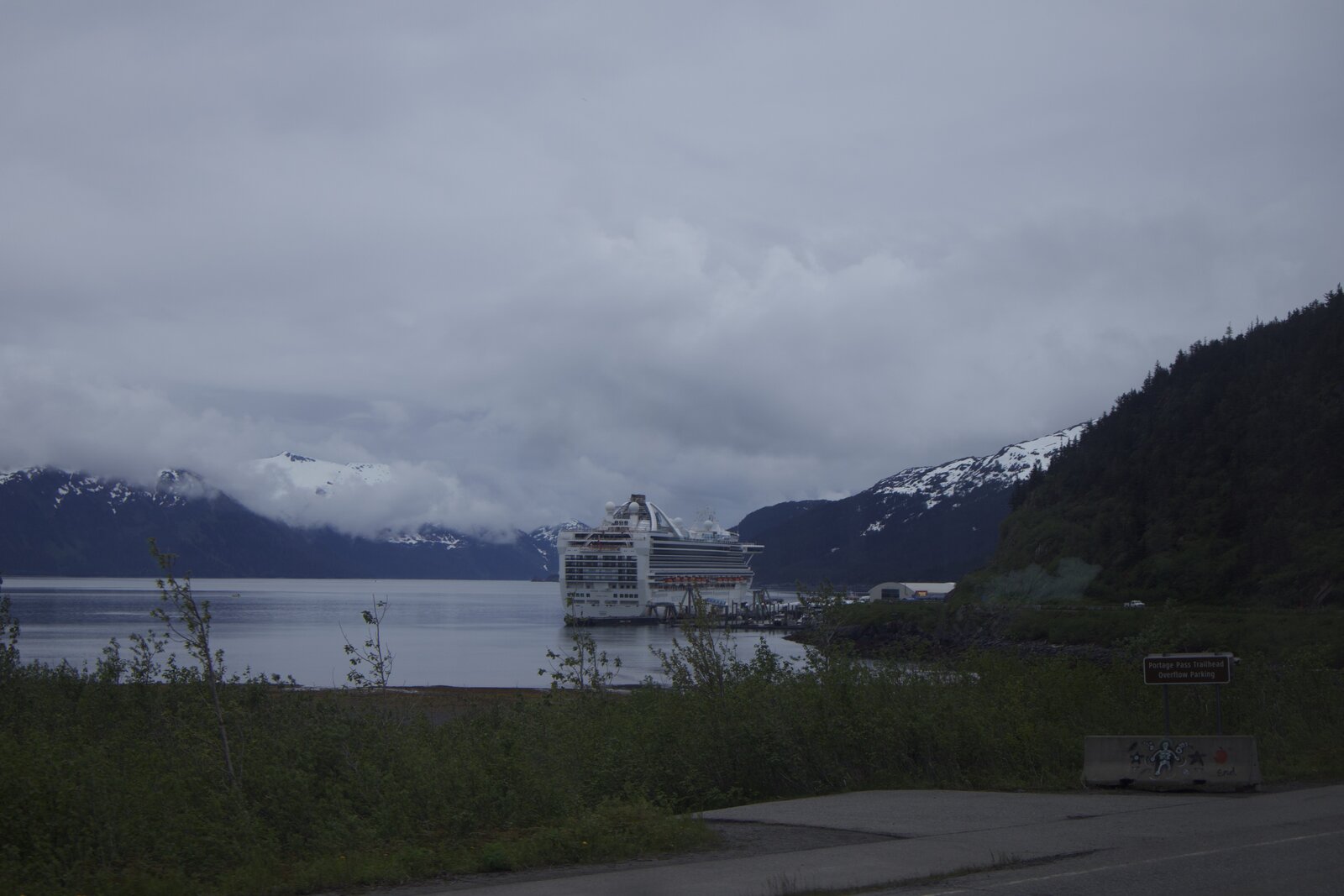
A cruise ship is a small city visiting remote places on a tight schedule - and every so often, something doesn't go according to plan. Most of the time it's minor and barely noticed. Occasionally it makes the news. Here's what actually happens in each of these situations, using two real examples from this past week, and what it means for you as a passenger.
Medical Emergencies and Evacuation
Every cruise ship carries a medical center staffed by a doctor and nurses, equipped to handle routine illness and injury and stabilize more serious cases. For anything beyond what the ship can treat, the captain will either divert to the nearest port with adequate medical facilities or arrange an evacuation - by helicopter, Coast Guard vessel, or local emergency services, depending on location. In a remote stretch of Alaska or the open ocean, that evacuation can run tens of thousands of dollars or more, and it's not something your regular health insurance is built to cover. This is the single biggest reason travel insurance with real medical evacuation coverage matters for a cruise - more on that below.
Port and Dock Disruptions: The Whittier Fire
On September 14, 2026, a fire broke out at the Chugach Glacier Gateway Cruise Terminal in Whittier, Alaska - the port's newer terminal, and the one Norwegian Jade was scheduled to have guests embark from that day. Whittier and Girdwood fire crews, Anchorage Fire Department, and the U.S. Coast Guard all responded, and access to the terminal area was restricted while they worked. No injuries were reported.
Norwegian Cruise Line's response is the detail that actually matters if you're a cruise passenger. In a statement, the line said it would "proceed with our embarkation process from an alternate location, Whittier Alaska Cruise Ship Terminal 1." In other words: the terminal had a fire, and NCL simply moved embarkation to a different terminal down the road. No cancelled cruise, no stranded passengers - just a changed meeting point. This is exactly why major ports maintain more than one terminal: an incident at one doesn't have to strand a ship, or even delay it, if there's somewhere else for it to go.
Mechanical Issues: Royal Princess's Engine Trouble
Two days earlier, on a seven-night Alaska cruise that left Seattle on September 12, Royal Princess developed an engine issue that limited the ship's speed. Princess Cruises said it posed no safety risk, but the ship couldn't maintain the pace needed to keep every scheduled stop. Juneau became a sea day instead of a port call, and Ketchikan was dropped from the itinerary entirely, while Skagway and Victoria stayed on schedule.
Princess's response is fairly typical of how cruise lines handle a self-caused itinerary change: passengers received a 50% refund on cruise fare, and any shore excursions booked directly through the cruise line for the cancelled ports were refunded automatically as onboard credit. What it doesn't cover is anything you arranged independently - a private shore excursion, a hotel night tacked onto embarkation, a flight timed around a specific port day. That gap is exactly what travel insurance with trip interruption coverage is meant to fill.
Routine Port Cancellations
Far more common than either of the above: a port gets skipped because of high surf, high wind, a tendering situation that isn't safe, or the port itself being too congested with other ships. Cruise itineraries are never a guarantee - every cruise contract says as much in the fine print - and captains skip a port regularly enough that it barely makes news. When it happens, cruise lines typically substitute a sea day or, occasionally, an alternate port, with no compensation owed since nothing malfunctioned and no one is at fault.
Rerouting for a Hurricane
In the Caribbean and along the U.S. Atlantic and Gulf coasts, hurricane season runs roughly June through November. Cruise lines track storms closely and will reroute a ship well before conditions turn dangerous - swapping in different ports, adding sea days, or reversing the direction of an itinerary to stay ahead of a storm's path. This is standard, proactive, safety-first practice, not a sign anything has gone wrong - it's the system working as intended.
Where Travel Insurance Actually Fits
Notice the pattern across these scenarios: for a medical emergency, insurance is essential - evacuation costs can be enormous and your regular health coverage likely won't reach a cruise ship or a foreign port. For a cruise line's own mechanical or dock-related disruption, the cruise line typically compensates you directly for what they controlled, but not for anything you booked independently around the original itinerary. For weather and routine port changes, there's usually no compensation at all, since nothing went wrong on the cruise line's end. Travel insurance with trip interruption, delay, and missed-connection coverage is what closes those gaps - covering the non-refundable hotel night, the missed connecting flight, or the emergency medical bill that a cruise line's own policies were never designed to touch. We cover exactly what to look for in our full guide to travel insurance for a cruise.
So, What Should You Actually Do?
- Buy travel insurance with real medical evacuation coverage - this is the scenario with the highest financial risk, by far.
- Book flights with a buffer day before and after your cruise - so a missed port or a late return doesn't turn into a missed flight home.
- Keep independently-booked extras flexible where you can - or make sure your insurance covers them if a port gets dropped.
- Don't panic over a headline - a dock fire or an engine issue sounds dramatic, but as both examples above show, cruise lines and ports have real contingency plans, and passengers are rarely stranded or put at risk.
Frequently Asked Questions
What happens if a cruise ship skips a port?
Usually a sea day or an alternate port is substituted, with no compensation owed, since a cruise itinerary was never contractually guaranteed. If the cruise line's own mechanical issue caused the change, compensation like a partial refund or onboard credit is more likely.
Does travel insurance cover a missed port?
It depends on the policy and the cause - trip interruption coverage can reimburse non-refundable costs you arranged independently around a port that got dropped, which is different from what the cruise line itself refunds.
What happens in a medical emergency on a cruise ship?
The onboard medical center handles what it can; anything more serious means diverting to the nearest capable port or an evacuation by helicopter or Coast Guard, which can be extremely expensive without the right insurance coverage.
Do cruise ships sail into hurricanes?
No - cruise lines actively track storms and reroute well in advance, which is why itinerary changes increase during hurricane season (roughly June through November).
Want to make sure your next cruise is actually covered if something goes sideways? See our travel insurance overview, or get in touch and we'll help you sort out the right protection before you go.
Join Our Free Travel Community
Get insider deal alerts, destination tips, and connect with fellow travelers in our Facebook group, hosted by Andrew.
Join the Group