
Best Time to Visit Alaska: A Season-by-Season Guide
By Andrew Hooker · August 19, 2026
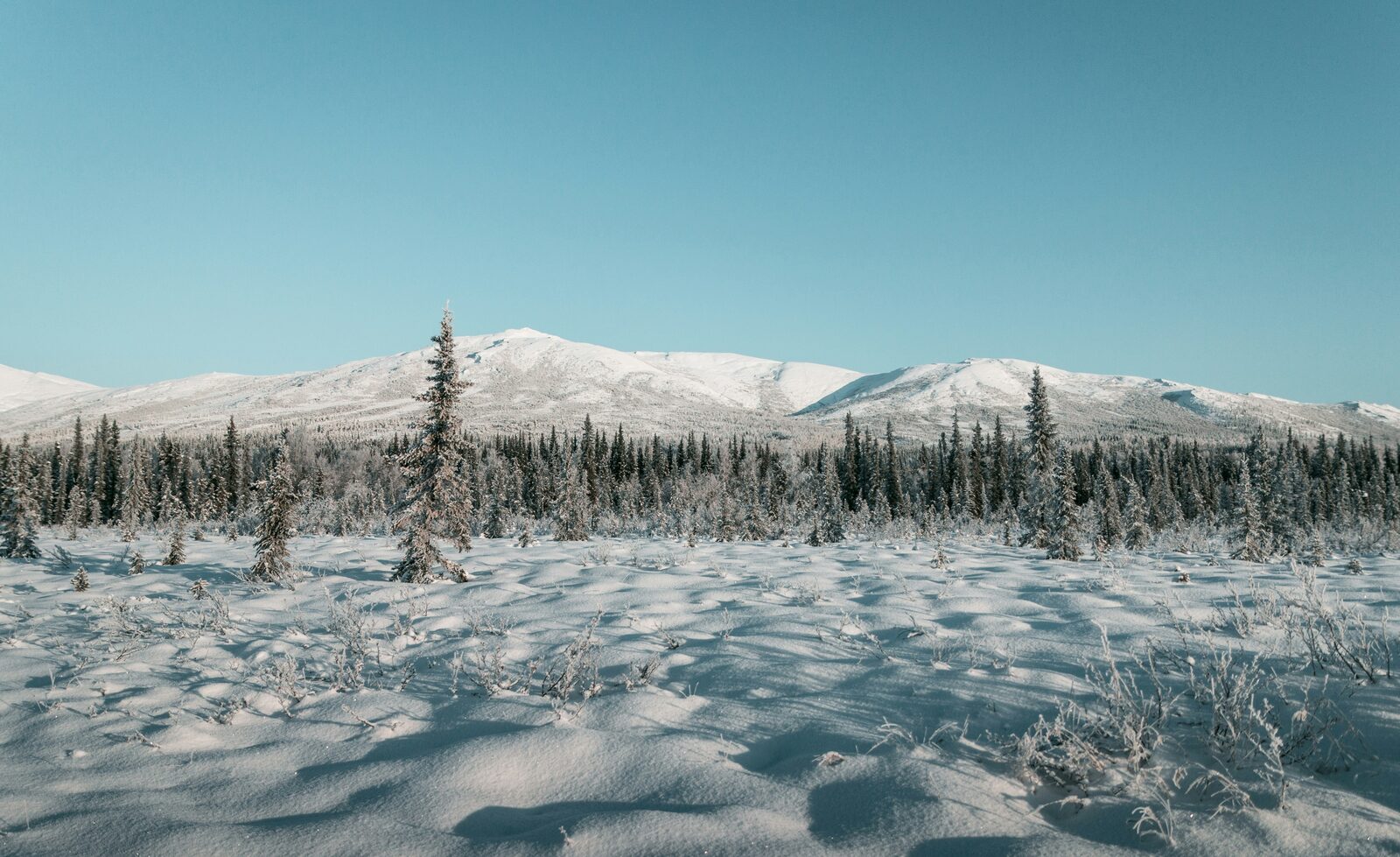
Alaska doesn't have one "best" time to visit - it has two, and they're almost exact opposites. Come for long daylight, glaciers, and whales, and you want late spring through summer. Come chasing the Northern Lights, and you want the dead of winter, when the state is coldest and darkest. Here's how to pick the right window for the trip you actually want.
May Through September: Alaska's Cruise and Wildlife Season
This is when the vast majority of visitors come, and for good reason - it's the only stretch when Alaska's cruise ports, hiking trails, and wildlife tours are reliably open and accessible.
Peak Summer: June Through August
Daylight can stretch past 18 hours this time of year - Anchorage sees roughly 19 hours of daylight around the summer solstice, and Fairbanks pushes close to 22. Port towns like Juneau and Ketchikan are in full swing, with daytime highs typically in the low-to-mid 60s°F along the coast (warmer inland - Fairbanks can reach the 70s or even 80s°F in July) and nights cooling into the 40s and 50s. It's also when wildlife-watching is at its best: bears fishing for salmon near Mendenhall Glacier, humpback whales working the waters around Juneau, and bald eagles overhead almost everywhere you look. The tradeoff is that this is peak season - cruise cabins, hotel rooms, and shore excursions book up and cost the most.
Shoulder Season: May and September
If you'd rather trade a few degrees of warmth for smaller crowds and better pricing, the edges of the season are worth a look. Wildlife viewing is still strong (salmon runs and whale activity often carry into September), the scenery is just as dramatic, and both flights and cruise fares tend to be noticeably cheaper than a July sailing.
Late August Through April: Northern Lights Season
The Aurora Borealis needs dark skies to be visible, which is exactly what summer in Alaska doesn't have. Northern Lights season runs roughly late August through April, with peak viewing typically December through March, when nights are longest - Fairbanks gets down to around 4 hours of daylight at the winter solstice, and Anchorage about 5 and a half. Fairbanks, Denali National Park, and Anchorage are the state's most reliable viewing spots. If the aurora is the whole point of your trip, plan around winter - and pack accordingly, since interior Alaska routinely sees nighttime lows well below 0°F in the coldest months, with coastal towns generally milder but wetter.
Alaska Month by Month
- January: Deep winter, aurora season in full swing. Very cold and dark inland; most cruise ports closed for the season.
- February: Still prime aurora viewing with slowly lengthening days. Cold, but a favorite among aurora chasers for clearer skies.
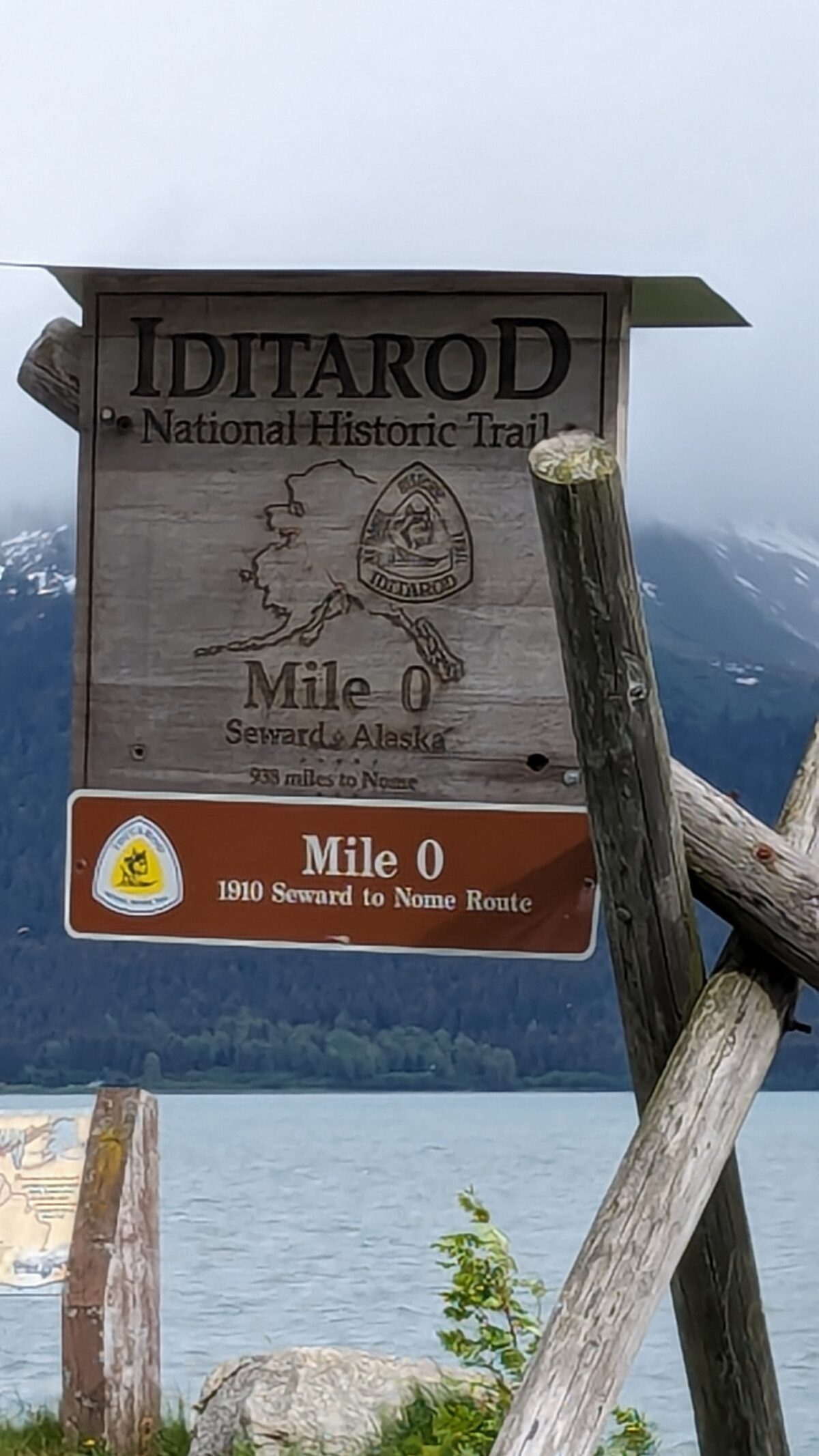
- March: Aurora season winds down toward its final weeks. The Iditarod Sled Dog Race kicks off, a popular reason to visit Anchorage and the Interior this month.
- April: Transitional - snow lingering inland, ports still mostly closed. Last realistic month for Northern Lights before the sky stays too bright.
- May: Cruise season begins. Lower prices and crowds than summer, with strong wildlife activity and long, mild days.
- June: Near-peak daylight (up to ~19 hours in Anchorage, ~22 in Fairbanks) and the start of the busiest cruise months.
- July: Warmest month statewide and peak bear and salmon-run viewing. Also the most crowded and most expensive.
- August: Still warm with excellent wildlife viewing; crowds and prices begin to ease toward the end of the month.
- September: Cruise season winds down. Fall colors, thinning crowds, lower fares, and the first Northern Lights sightings as nights lengthen.
- October: Most cruise ports closed for the season. Aurora viewing improves as nights grow longer and darker.
- November: Cold and dark settling in, with reliably long nights for aurora viewing away from the coast.
- December: Shortest days of the year and prime aurora season, alongside the holidays.
Wildlife and Events Calendar
- Bears fishing for salmon: peaks July through September, as salmon runs bring bears to rivers and streams statewide.
- Humpback whales: present roughly May through September, most reliable July and August in Southeast Alaska waters around Juneau and Icy Strait Point.
- Northern Lights: late August through April, with the longest, darkest nights - and best odds - from December through March.
- Iditarod Sled Dog Race: early March, a major draw for visitors to Anchorage and the Interior during an otherwise quiet shoulder period.
So, Which Season Is "Best" for You?
- Want a cruise, hiking, or a classic Alaska itinerary? Go June through August.
- Want lower prices and fewer crowds, and don't mind slightly cooler weather? Go in May or September.
- Want to see the Northern Lights? Go December through March - and know that this rules out cruising, since the ports you'd want are largely inaccessible or closed for the season.
Frequently Asked Questions
What is the best month to visit Alaska?
For most travelers, June through August offers the best mix of accessibility, weather, and things to do. If budget matters more than warmth, May and September are the better value.
What's the cheapest month to visit Alaska?
May and September typically offer the lowest cruise and hotel prices while ports are still open. If you don't need cruise access, winter months outside the holiday weeks can be cheaper still, though flights can spike around events like the Iditarod.
Is it better to visit Alaska in June or July?
Both are solid choices. June has slightly smaller crowds and lower prices while still offering near-maximum daylight; July is warmer and typically the best month for bear and salmon viewing, but also the busiest and most expensive.
Can you see the Northern Lights on an Alaska cruise?
Realistically, no. Cruise season (summer) and aurora season (winter) don't overlap - the long daylight hours that make summer cruising pleasant are exactly what makes the Northern Lights invisible.
Is Alaska worth visiting in winter?
If you're going for the Northern Lights, absolutely - just plan a different kind of trip than a summer cruise, built around a home base like Fairbanks with multiple nights to increase your odds of a clear, active sky.
Do I need a travel agent to plan an Alaska trip?
Not strictly, but it helps more here than for most destinations - Alaska splits into two very different trip types (summer cruise versus winter aurora viewing) with their own logistics, and sorting that out ahead of time is exactly what we cover in whether it's worth booking through an agency.
Every summer, Ahnapee Travel hosts a small-group Alaska cruise - in 2027 it's a 7-night sailing aboard Celebrity Silhouette from Seward to Vancouver, with stops at Hubbard Glacier, Juneau, Skagway, Icy Strait Point, and Ketchikan. Whichever season fits your trip, get in touch and we'll help you plan it.
Join Our Free Travel Community
Get insider deal alerts, destination tips, and connect with fellow travelers in our Facebook group, hosted by Andrew.
Join the Group